
White in chess has the natural advantage of the first move. This doesn’t guarantee a win, but it allows you to set the pace and impose your plan on your opponent. Choosing the right opening helps leverage this advantage from the very first moves. The top openings for White enable control of the center, rapid piece development, and create real problems for Black right from the start.
The choice of an opening depends on a player’s style. Some prefer sharp tactical battles with early attacks, while others aim for calm, positional pressure. Regardless of style, there are several well-tested openings that work at all levels-rom beginners to grandmasters.
Open Games: Starting with 1.e4
1.e4 is the most popular and natural way to start a game. The pawn immediately occupies the center and opens lines for the bishop and queen. Openings beginning with this move are called open games and usually lead to dynamic positions with plenty of tactical opportunities. 
Italian Game
The Italian Game starts with 1.e4 e5 2.Nf3 Nc6 3.Bc4. One of the oldest openings, known since the 16th century, it allows White to develop quickly and logically: the knight controls the center, and the bishop targets the weak f7-square near Black’s king. The plan is simple and clear even for beginners.
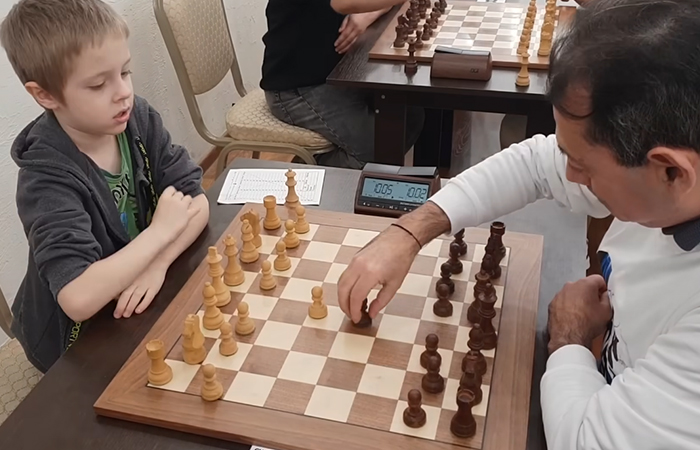
The main strength of the Italian Game is its versatility. Positions are open, with attacking and combinational opportunities. White does not risk material while keeping a solid structure. If Black plays inaccurately, White can rapidly launch an attack on the king or gain a central advantage.
A classic example is the 1858 game between Paul Morphy and the Duke of Brunswick. Morphy developed his pieces brilliantly, sacrificed material, and executed a stunning attack on the opposing king. This game remains a model of how to play open games: quickly, aggressively, and with maximum piece activity.
Ruy Lopez (Spanish Opening)
The Ruy Lopez, or Spanish Opening, is considered the queen of open games. Named after the Spanish priest Ruy Lopez de Segura, who described it in his 1561 treatise, it remains one of the deepest and strategically rich openings.
The move 3.Bb5 is less obvious than in the Italian Game. White does not attack f7 directly but threatens the knight on c6, which supports the central pawn on e5. This subtle plan allows White to exchange the bishop for the knight or retreat it while maintaining central tension, forcing Black to play accurately.
The Ruy Lopez requires understanding of long-term planning. Games often develop slowly, with advantages accumulating gradually through better piece placement and a harmonious pawn structure. Garry Kasparov, one of the greatest chess prodigies in history, frequently played the Ruy Lopez, and his encounters with Anatoly Karpov in this opening have become classics.
Scotch Game
The Scotch Game is a more straightforward alternative to the Ruy Lopez. White immediately opens the center and aims for active play. After 3…exd4 4.Nxd4, the position simplifies, central tension dissipates, but White gains freedom for pieces and some initiative.

This opening is excellent for beginners because it doesn’t require deep theoretical knowledge. The plans are clear: develop pieces to active squares, control the center, and look for tactical opportunities.
King’s Gambit
The King’s Gambit is the most romantic of the open openings. White sacrifices the f4 pawn to open the f-file for the rook and gain attacking space. This opening belongs to the era of romantic 19th-century chess, when sacrifices and attacks were valued over material advantage.
Today, the King’s Gambit is rare among top players – modern defenses are too precise, and Black has learned to repel attacks. But in practical play, especially in rapid games, it remains a formidable weapon. Black must play very carefully, or White can quickly launch a devastating king-side attack.
Closed Games: Starting with 1.d4
1.d4 leads to calmer, more strategic positions. The d4 pawn controls the center but doesn’t open the c1-bishop’s diagonal, making the game less forcing. Closed openings require patience and a deep understanding of long-term plans, which is why many of the Top Openings for White begin with 1.d4.
Queen’s Gambit
The Queen’s Gambit is not a true gambit in the classical sense. White offers the c4 pawn, but after 2…dxc4, it is typically regained via 3.e3 or 3.Nf3 followed by e2-e3. In return, White gains central control and freedom for piece development. This opening teaches key strategic ideas: control of important squares, pawn structures, and gradual accumulation of small advantages.
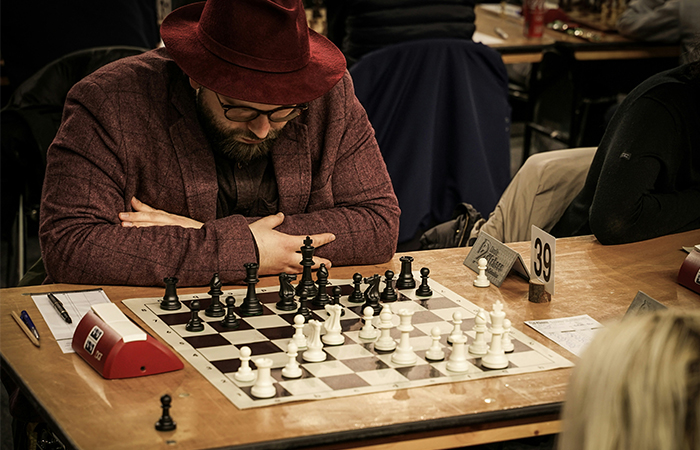
The Declined Queen’s Gambit, when Black declines the pawn, leads to even more closed and complex positions. Understanding typical pawn breaks, weak squares, and exchange strategies is crucial. This is high-level chess, where every move has long-term consequences.
English Opening
The English Opening is technically not a 1.d4 opening, but it resembles closed systems in spirit. White controls the center from the flank while keeping flexibility in pawn structure. It can transpose into reversed Queen’s Gambit positions or lead to fianchetto setups for the bishops.
How to Choose an Opening for White
Selecting an opening depends on your style and goals. Players who enjoy active play with early attacks should choose 1.e4 openings such as the Italian Game, Scotch Game, or even the King’s Gambit. These openings offer many tactical opportunities and teach precise calculation. Those who prefer strategic battles should start with 1.d4 and master the Queen’s Gambit – this is the path of world champions and deep chess understanding.
The key is focus. It’s better to master one or two openings deeply than to know ten superficially. When a player understands typical plans, recognizes common traps, and has studied classical games in the system, confidence in the opening comes naturally. Then the first move truly becomes an advantage.