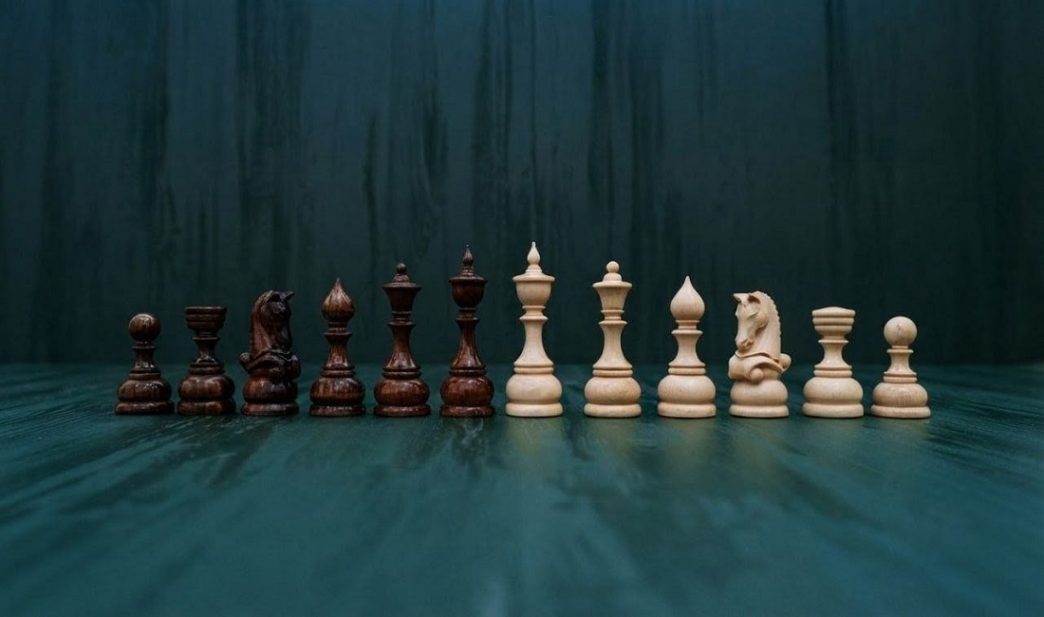
One of the first concepts every beginner learns in chess is the value of the pieces. From the very first lessons, players discover that not all pieces are equally valuable and that their relative strength is represented by a simple point system. The most widely used scale is 1-3-5-9: a pawn is worth one point, a knight and a bishop are worth three points each, a rook is worth five points, and a queen is worth nine. At first glance, chess pieces value seems easy to understand: the higher the total value of your remaining pieces, the stronger your position. However, real chess is far more complex than simple arithmetic. Why do chess pieces have these specific values, and how accurate are they? Let’s find out.
Where did the point system come from?
The familiar chess piece value scale was never established by any official organization. Instead, it gradually evolved through the practical experience of generations of chess players. The system became widely known thanks to the American chess author Fred Reinfeld, who used it extensively in his instructional books published in the mid-20th century.
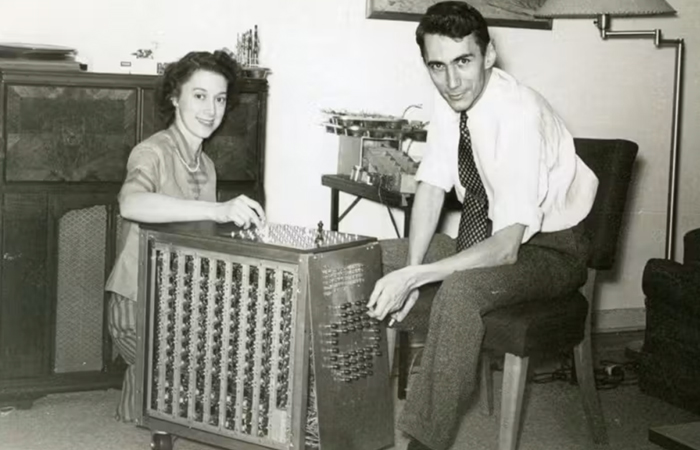
Around the same time, mathematician Claude Shannon used similar values in his 1949 article on computer chess. To evaluate positions, the computer needed a simple way to compare material on the board, so each piece was assigned a numerical value. Over time, this approach became a standard not only for teaching beginners but also for developing the evaluation functions of early chess engines.
It is important to understand that these numbers do not represent the absolute strength of a piece. Instead, they reflect its relative value, providing a practical guideline for determining whether exchanging one piece for another is generally favorable under equal conditions.
Why 1-3-5-9?
The relative value of chess pieces is based on their practical playing strength rather than a strict mathematical formula. Factors such as mobility, range of movement, control of key squares, and effectiveness during different stages of the game all contribute to their overall value.
This is why knights and bishops share the same basic value despite serving different strategic purposes. Rooks are considered more valuable because of their greater mobility and their ability to dominate open files. The queen combines the movement of both the rook and the bishop, making it the most powerful piece on the board.

At the same time, the 1-3-5-9 system should only be viewed as a guideline. In a specific position, the actual value of a piece may differ significantly from its nominal point value. An active knight can be more dangerous than a passive rook, while a passed pawn in the endgame may become more valuable than a minor piece. That is why experienced players evaluate not only the material balance but also piece activity, king safety, and other positional factors.
The king is not included in this point system. Unlike other pieces, it cannot be exchanged or captured. Since the objective of chess is to deliver checkmate rather than accumulate material, assigning the king a numerical value simply would not make sense.
Where is chess pieces value used?
Despite being only a relative measure, the chess piece value system is widely used on modern online chess platforms. Material balance serves as the foundation of the evaluation, with the pawn acting as the basic unit. For example, an evaluation of +1 usually indicates an advantage roughly equivalent to an extra pawn, while +5 corresponds to approximately the value of a rook. However, this is only the starting point of the analysis.
In addition to material, computer analysis takes many other factors into account, including piece activity, king safety, pawn structure, control of the center, development, and other positional elements. That is why, even with identical material on the board, an evaluation may be +0.8, −1.3, or +2.5. These numbers represent a positional advantage expressed in pawn units. Different chess engines use their own evaluation algorithms, so the same position may receive slightly different assessments depending on the software being used. Nevertheless, the classic 1-3-5-9 piece value system remains a universal reference that helps both beginners and experienced players quickly evaluate the material balance.
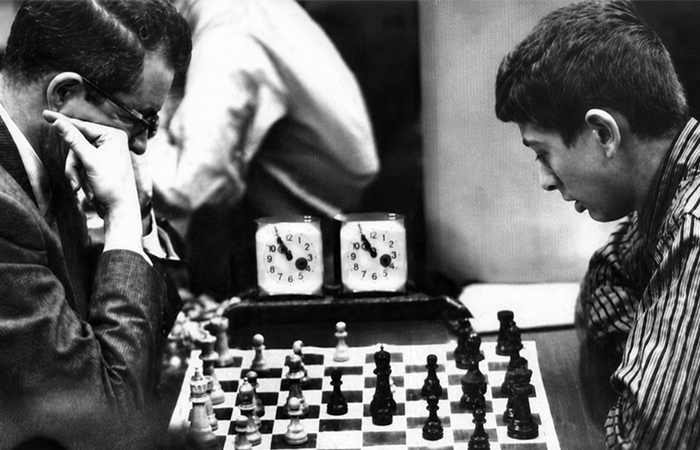
The Chess Pieces Value system remains one of the most important learning tools in chess. It helps players understand exchanges, evaluate material, and make more informed decisions during a game. At the same time, relying solely on numerical piece values would be a mistake. A perfect example is the famous “Game of the Century,” played on October 17, 1956, at the Marshall Chess Club in New York. Thirteen-year-old Bobby Fischer sacrificed his queen against Donald Byrne. At first glance, the move seemed disastrous, since the queen is the most powerful piece on the board after the king. However, over the following moves Fischer won a rook, two bishops, and a pawn. Formally, he gave up nine points of material and received roughly eleven in return, but the victory was about far more than simple arithmetic. Byrne’s queen never became an effective force, while Fischer’s active pieces relentlessly drove the opposing king into a mating attack.
This legendary game demonstrates that the value of chess pieces should never be treated as an absolute rule. Having more points on the board does not automatically guarantee victory.